
 Predictive, descriptive, and prescriptive analysis
 Creating Dashboards and Reports in Power BI
 Machine learning and artificial intelligence
 Database administration
 Database tuning
 Database implementation
 Database recovery plan
 Process automation
 Custom application development for desktop, web, and mobile
 API systems integration
 Big Data analysis
 Data integration
 Data cleaning
 Data streaming solutions
 Cloud solutions management
 Cloud architecture design
 Cloud services implementation
 Cloud service migration


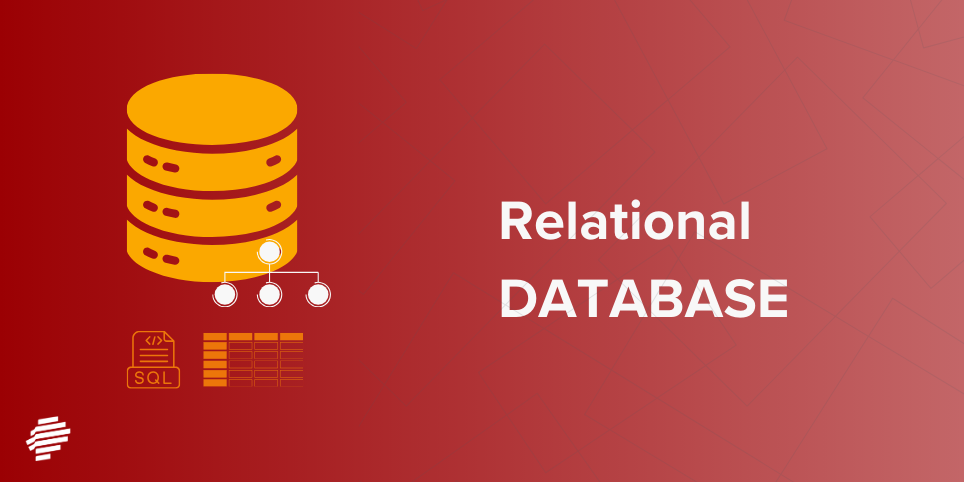
A relational database is an information storage system that organizes data into tables made up of rows and columns. Each table contains unique records, and the relationships between data are established through primary and foreign keys. This model, introduced by E.F. Codd in the 1970s, allows for intuitive and efficient data structuring and querying, making it easier to extract insights and analyze large volumes of information.
How Relational Databases Work
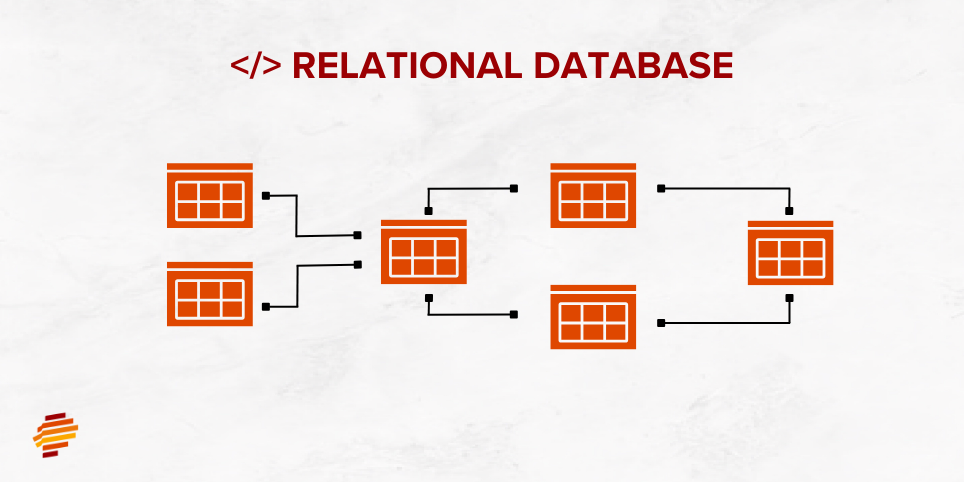
In a relational database, data is organized into tables that function like spreadsheets, with columns (attributes) and rows (records). Each table has a primary key—a unique identifier that distinguishes each record. Relationships between tables are formed using foreign keys, which link a field in one table to the primary key of another.
Relational Database Management Systems (RDBMS) allow users to perform operations such as querying, inserting, updating, and deleting data using SQL (Structured Query Language). With this declarative language, users specify what information they need without worrying about the retrieval process—SQL handles the optimization and execution of the query.
Benefits of Relational Databases
Relational databases offer several key advantages for managing structured data:
1. Organization and Clarity
Storing data in tables makes it easier to visualize how different datasets are related. This improves reporting, facilitates statistical analysis, and helps identify patterns within the data.
2. Consistency and Reliability
Relational databases follow the ACID properties (Atomicity, Consistency, Isolation, Durability), ensuring that transactions are processed completely and that data remains consistent—even in the event of system failures or errors.
3. Powerful Query Capabilities
SQL enables the construction of complex queries with ease, making it simple to retrieve and analyze related data. This is especially useful for business intelligence and decision-making based on accurate information.
4. Scalability and Maintenance
Despite its structured nature, the relational model can scale efficiently as data grows. Data normalization reduces redundancy and simplifies maintenance, since structural changes can be made centrally without affecting overall data integrity.
5. Security and Access Control
RDBMS platforms provide advanced security features, allowing administrators to define specific roles and permissions. This ensures that only authorized users can access sensitive data, helping companies comply with security regulations.
Comparison with Other Data Models
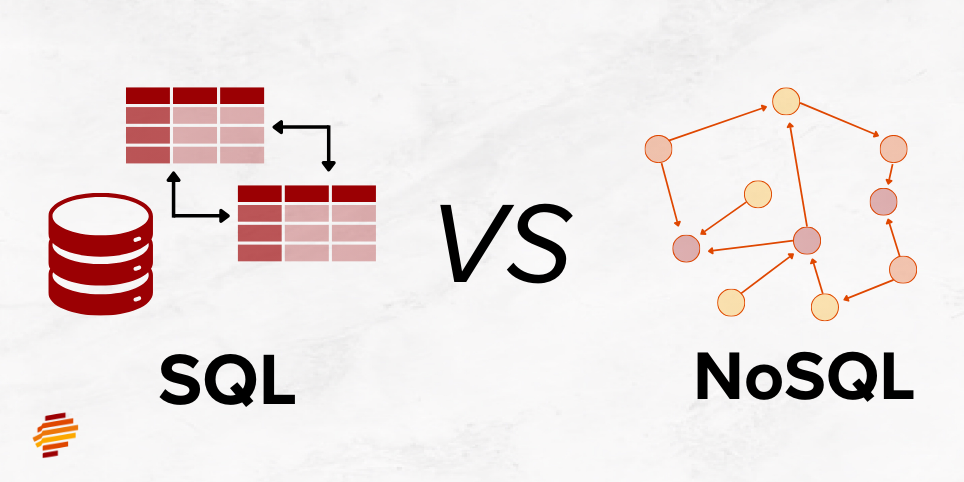
While other models—such as NoSQL databases—have emerged, the relational model remains ideal for applications that require accuracy, consistency, and complex data relationships. NoSQL is well-suited for unstructured data or highly scalable environments, but relational databases shine in transactional systems and use cases where data integrity is non-negotiable.
For instance, financial operations or inventory management systems demand real-time, accurate updates. Relational databases, with their ACID compliance, ensure that transactions are fully processed and leave no room for incomplete or inconsistent data.
Enterprise Implementation of Relational Databases
Deploying relational databases in an organization involves careful planning and selecting the right tools. Key steps include:
- Requirements Analysis: Define the types of data to be managed and how they relate. This includes identifying necessary tables, primary keys, and relationships.
- Schema Design: Create a logical data model. Normalization is key to avoiding redundancy and ensuring data integrity.
- Choosing an RDBMS: Options include MySQL, PostgreSQL, Microsoft SQL Server, and Oracle Database. The choice depends on data volume, query complexity, and security requirements.
- Query Optimization: Designing indexes and fine-tuning SQL queries are critical for performance, particularly in large-scale or high-concurrency environments.
- Security and Backup Strategy: Define user roles, access policies, and implement robust backup and disaster recovery plans to ensure continuity and data safety.
Practical Applications
Relational databases are used across a wide range of industries and applications:
- Financial Systems: Track transactions, account balances, and financial reports with high precision and consistency.
- Inventory Management: Monitor products, suppliers, and sales in a structured way that supports better decision-making and supply chain efficiency.
- Enterprise Applications: From HR systems to CRMs, relational databases organize critical business data in an efficient, reliable manner.
- Data Analysis: The ability to run complex queries enables businesses to generate reports and uncover strategic insights from their data.
Challenges in Managing Relational Databases
Despite their benefits, relational databases come with a few challenges:
- Schema Complexity: Initial design can be complex, especially for organizations managing vast datasets with many interdependencies.
- Scalability Limits: While relational databases can scale, handling exponential data growth may require partitioning or replication strategies.
- Maintenance Costs: Managing and optimizing a relational database often requires specialized staff and advanced tools to ensure optimal performance and data integrity.
Conclusion
Relational databases are an essential tool for managing structured information. By organizing data into related tables and ensuring integrity through ACID properties, they offer a robust and reliable solution for transactional systems, data analytics, and complex enterprise applications.
If your goal is to boost performance, reduce operating costs, or ensure business continuity, relational databases offer a solid, versatile foundation. With proper schema design, RDBMS selection, and security strategy, any organization can tailor this technology to meet its data management needs.
Looking to transform how you manage data?
Contact us at Lion Data. Our team of experts can help you implement custom relational database solutions that optimize performance, ensure data integrity, and scale with your business needs. Take the next step and strengthen your data infrastructure with Lion Data.
Frequently Asked Questions
What are the advantages of the relational model over other data models?
Relational databases simplify data organization using tables, ensure data integrity through ACID properties, and allow powerful querying via SQL—ideal for transactional and analytical applications.
How do relational databases maintain data consistency?
By adhering to ACID principles, relational databases ensure that every transaction is executed fully and consistently, even in environments with high user concurrency.
What are the main challenges of implementing a relational database?
Key challenges include initial schema design, managing scalability for large datasets, and the need for expert maintenance and optimization to ensure consistent performance.
What should I consider when choosing a relational database management system (RDBMS)?
Evaluate the system’s ability to handle transactions, support for complex queries, security features, scalability, and technical support to ensure the platform aligns with your organizational needs.